My Couture Skirt: Cashmerette Elmwood Skirt
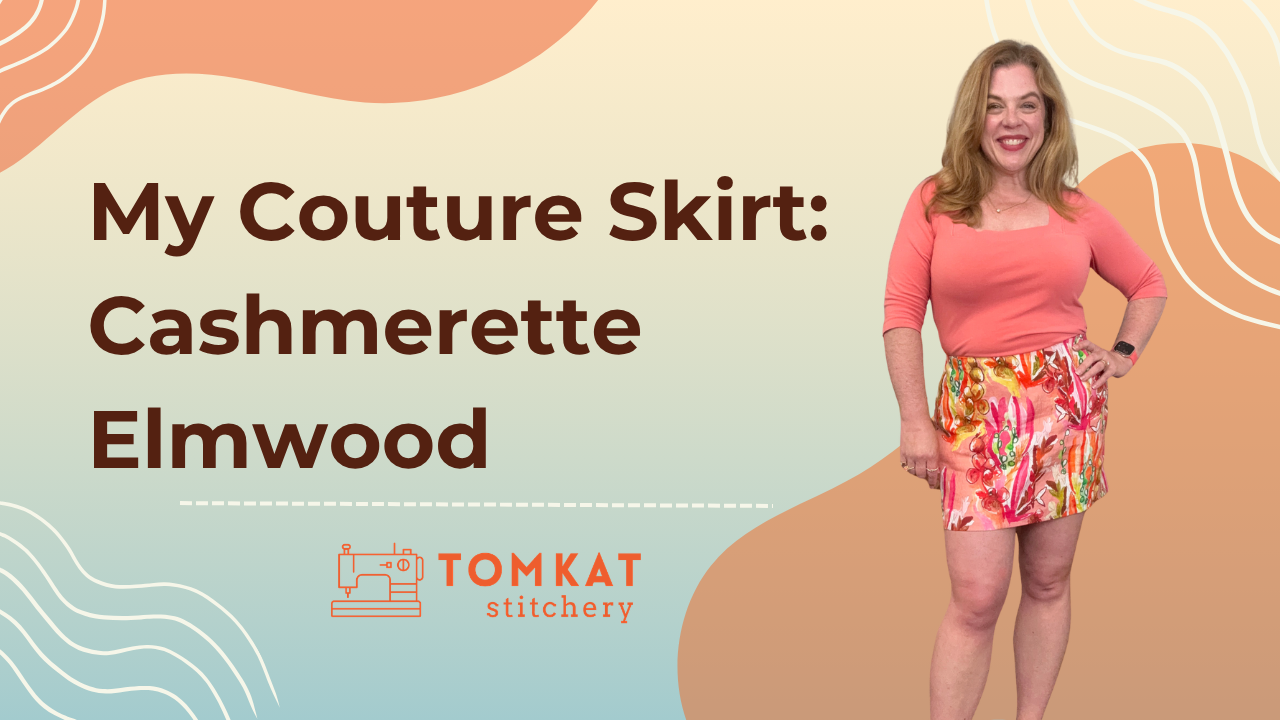
I typically consider myself a practical garment sewist. I enjoy thoughtful sewing, quality fabrics, and building a wardrobe I'll actually wear—but I don't usually spend 10 hours making a simple skirt.
This year, one of my sewing goals has been to slow down and add more intentional details to my projects. Instead of rushing from one make to the next, I've been exploring techniques that help me enjoy the process as much as the finished garment.
That mindset led me to a couture skirt project, and while I won't be sewing every garment this way, I'm very glad I gave it a try. Read on or watch here:
The Pattern: Cashmerette Elmwood Skirt
This project features the Elmwood Skirt, a Cashmerette Club pattern available through their All Access membership. If you've been thinking about joining, my code TOMKAT10 will save you $10 on an All Access membership*. You can also use TOMKAT20 to receive 20% off eligible Cashmerette collection patterns*.
The Elmwood is a classic straight skirt with:
- Two length options
- Back zipper closure
- Waistband
- Optional front pockets
- Full lining included
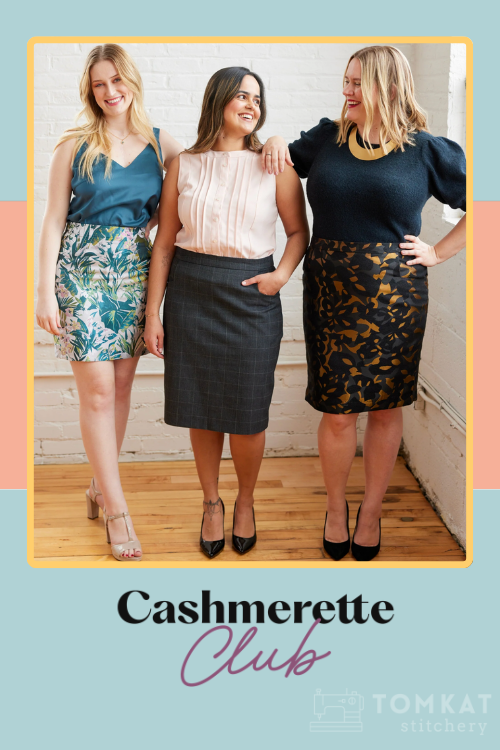
The pattern itself is straightforward. What transformed this into a couture project was the accompanying class taught by couture expert Susan Khalje, available as part of the Cashmerette All Access membership.
Why I Decided to Try Couture Sewing
One of the benefits of the Cashmerette All Access membership is access to an extensive library of educational content in addition to the monthly patterns. Among those resources is Susan Khalje's couture skirt class.
I've taken couture classes over the years from instructors like Susan Khalje and Claire Shaeffer, but it's not a technique I regularly incorporate into my everyday sewing. The class offered the perfect opportunity to revisit those skills while creating a garment I knew I'd wear frequently.
What I didn't fully appreciate at the start was just how much hand sewing would be involved.
The Couture Techniques Used
For a skirt that appears fairly simple from the outside, there is a remarkable amount happening behind the scenes.
Some of the couture techniques included:
- Silk organza interlining
- Extensive hand basting
- Hand-sewn lining attachment
- Hand-picked zipper installation
- Petersham ribbon waist finish
- Careful shaping and stabilization throughout construction
Rather than using the traditional waistband, the skirt is finished with Petersham ribbon, which creates a clean, comfortable waist finish. I actually prefer this style of finishing to a traditional waistband, particularly because I have a short torso and often find faced waist finishes more comfortable to wear.
The entire skirt is lined, and the lining is hand sewn into place for a beautifully clean interior.
The Fabric Choice
I used a beautiful linen that will also appear in my upcoming summer capsule wardrobe series.
One of the most interesting discoveries was how much the silk organza interlining changed the behavior of the linen. Linen is known for wrinkling, but the organza adds structure and support while remaining lightweight and breathable.
The result is a skirt that still feels cool and comfortable for summer but resists the immediate creasing that often comes with linen garments.
If you've avoided linen because the wrinkles bother you, this type of couture understructure may be worth exploring.
Fit Adjustments
The only significant pattern adjustment I made was shortening the skirt by 2 inches.
Looking back, I probably could have shortened it by only 1 inch and achieved the length I originally envisioned. The finished skirt is still very wearable, but an extra inch of length would have been welcome.
As with many Cashmerette patterns, I often need to shorten lengths to better suit my proportions, particularly because I have a shorter torso and overall petite vertical proportions.
Was It Worth 10 Hours?
Absolutely.
Would I spend 10 hours on every skirt? Not a chance.
But there was something incredibly satisfying about dedicating an entire day to slowing down and focusing on the craft itself. Much of the construction involved hand sewing, which felt surprisingly therapeutic. It forced me to work at a different pace and pay attention to details that are easy to overlook when I'm trying to finish a project quickly.
By the final hand-sewing steps, I was definitely ready to be done. Still, the process reminded me that not every sewing project needs to be about efficiency.
Sometimes it's worth investing extra time simply because you enjoy the craft.
A Skirt That Will Last for Years
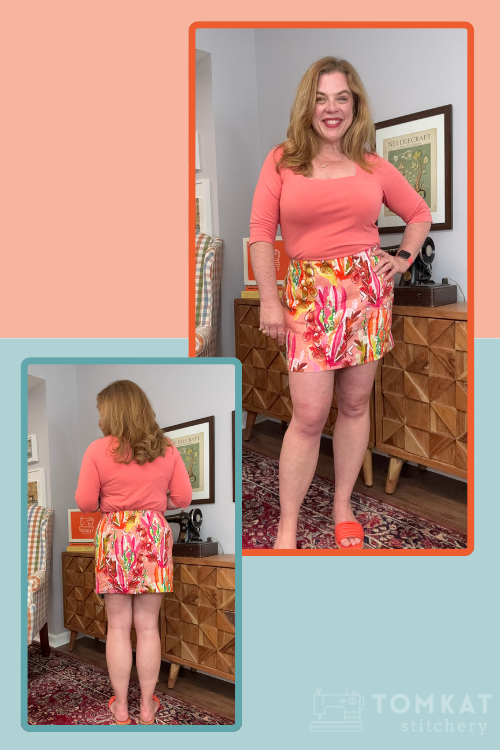
The finished garment feels substantial, polished, and incredibly well made. Between the silk organza support, hand-picked zipper, Petersham finish, and careful construction, this skirt is built to last.
What I love most is that I won't be saving it for special occasions.
I'll be wearing it with t-shirts, pairing it with pieces from my summer capsule wardrobe, and treating it like any other garment in my closet. Handmade and couture don't have to mean precious. In fact, the garments that receive the most care in construction deserve to be worn and enjoyed regularly.
This project was a wonderful reminder that sewing isn't always about finishing quickly. Sometimes the greatest reward comes from slowing down, leaning into the process, and giving yourself permission to fully enjoy the craft.
*Affiliate links included—thank you for supporting my work! No extra cost to you, but I may earn a commission. Offers may change.