The Best Sewing Scissors & Cutting Tools for Garment Sewing
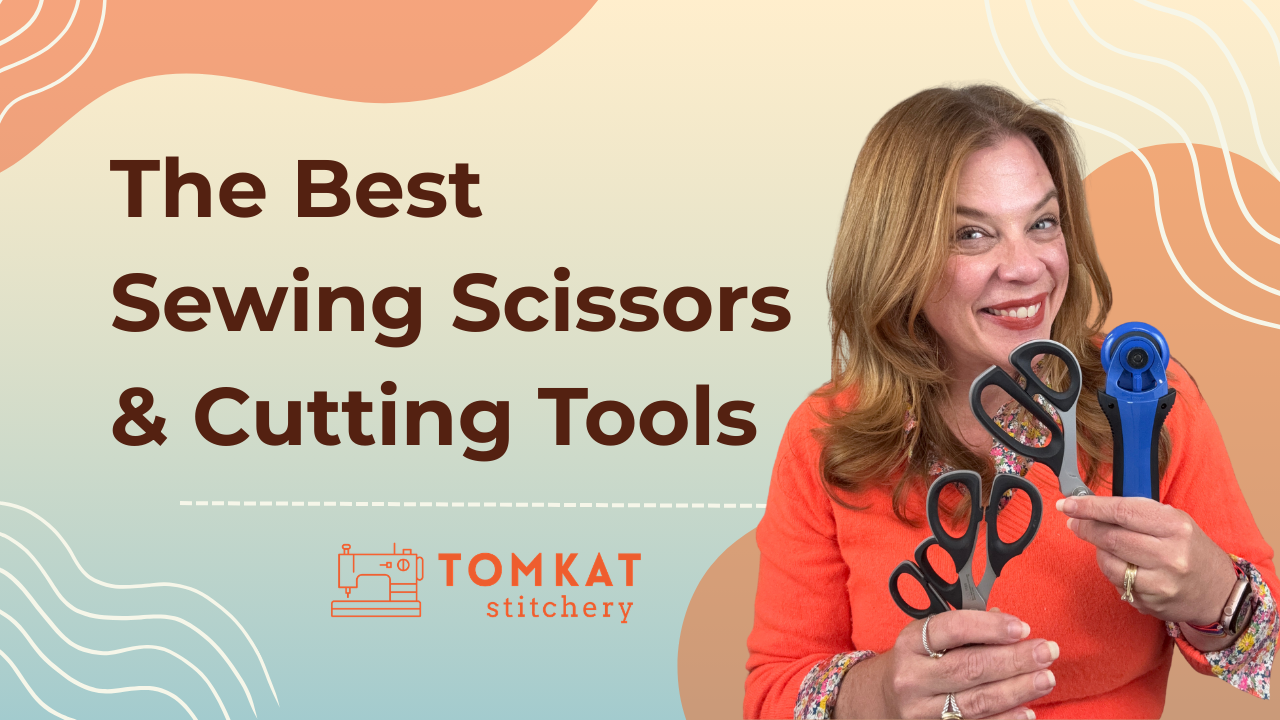
Having the right cutting tools can make a huge difference in your sewing experience. Whether you're a beginner just starting out or an experienced sewist refreshing your toolkit, quality scissors and cutting tools will improve your results and make the process far more enjoyable.
I’m sharing the cutting tools I use most often in my sewing room—including the must-have basics every sewist should own and a few specialty scissors that can make certain techniques much easier. Read on or watch here:
Why Sharp Scissors Matter in Sewing
Sharp scissors are an essential part of successful sewing.
Just like a chef relies on sharp knives, sewists rely on well-maintained cutting tools. Sharp scissors:
- Create cleaner fabric edges
- Reduce strain on your hands and wrists
- Prevent fabric shifting while cutting
- Improve overall accuracy
Many sewists don’t realize that dull scissors can also make sewing much more frustrating—and even increase the risk of injury because you have to apply more pressure.
One great feature of KAI Scissors is that you can send them back to the company to be professionally sharpened.
A Quick Rule for Beginners
Only use your fabric scissors on fabric. Avoid using them for paper, opening packages, cutting zip ties, or household tasks. Keeping them dedicated to fabric will help them stay sharp much longer.
A Note About Cutting Silk
If you sew with silk frequently, you may notice your scissors dull faster.
Silk is actually one of the strongest natural fibers, and historically it was even used in the first bulletproof vests. Because of its strength, silk can dull cutting tools and sewing needles faster than many other fabrics.
If you work with silk often, plan to:
- Sharpen scissors more frequently
- Replace sewing needles after each project
My Essential Sewing Scissors
If you’re just starting out, there are three core scissors I recommend every sewist owns.
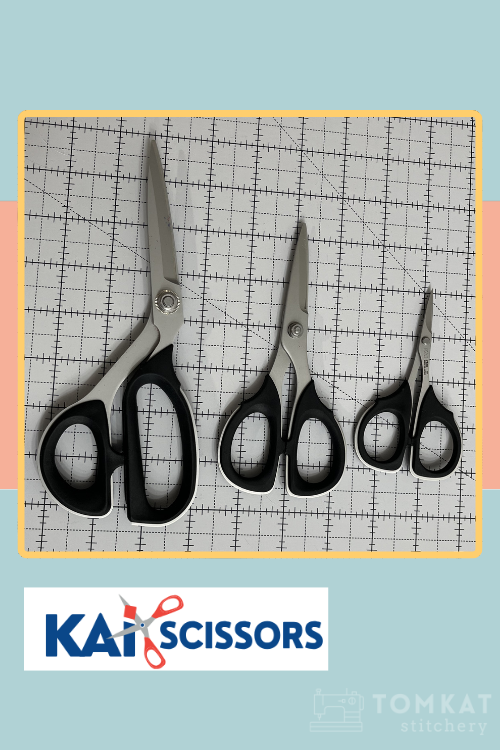
1. Fabric Shears (8-inch)
This is the most important pair in your sewing room.
Fabric shears are designed for cutting pattern pieces and fabric smoothly. I prefer angled shears, which help keep the blade flat against the cutting surface.
I use mine for:
- Cutting pattern pieces (fabric only—use paper scissors when you are trimming your paper pattern pieces)
- Cutting fabric
- Trimming seam allowances
- Cutting notches
- General garment sewing tasks
If you could only own one pair of sewing scissors, this would be it.
2. Precision Sewing Scissors (6-inch)
These smaller scissors live right next to my sewing machine.
They’re perfect for detailed work like:
- Clipping curves
- Trimming corners
- Cutting seam allowances while sewing
- Precise trimming
The sharp points allow you to clip right into corners without accidentally cutting too far.
3. Thread Snips
Thread snips are tiny but incredibly useful.
I keep these in my sewing basket for:
- Trimming loose threads
- Hand sewing
- Quick clean-up while sewing
They’re small, sharp, and easy to grab while working at the machine.
Rotary Cutter: My Preferred Cutting Method
While shears are essential, my personal preference for cutting pattern pieces is using a rotary cutter and cutting mat. Rotary cutters make cutting faster, more precise and are easier on your hands.
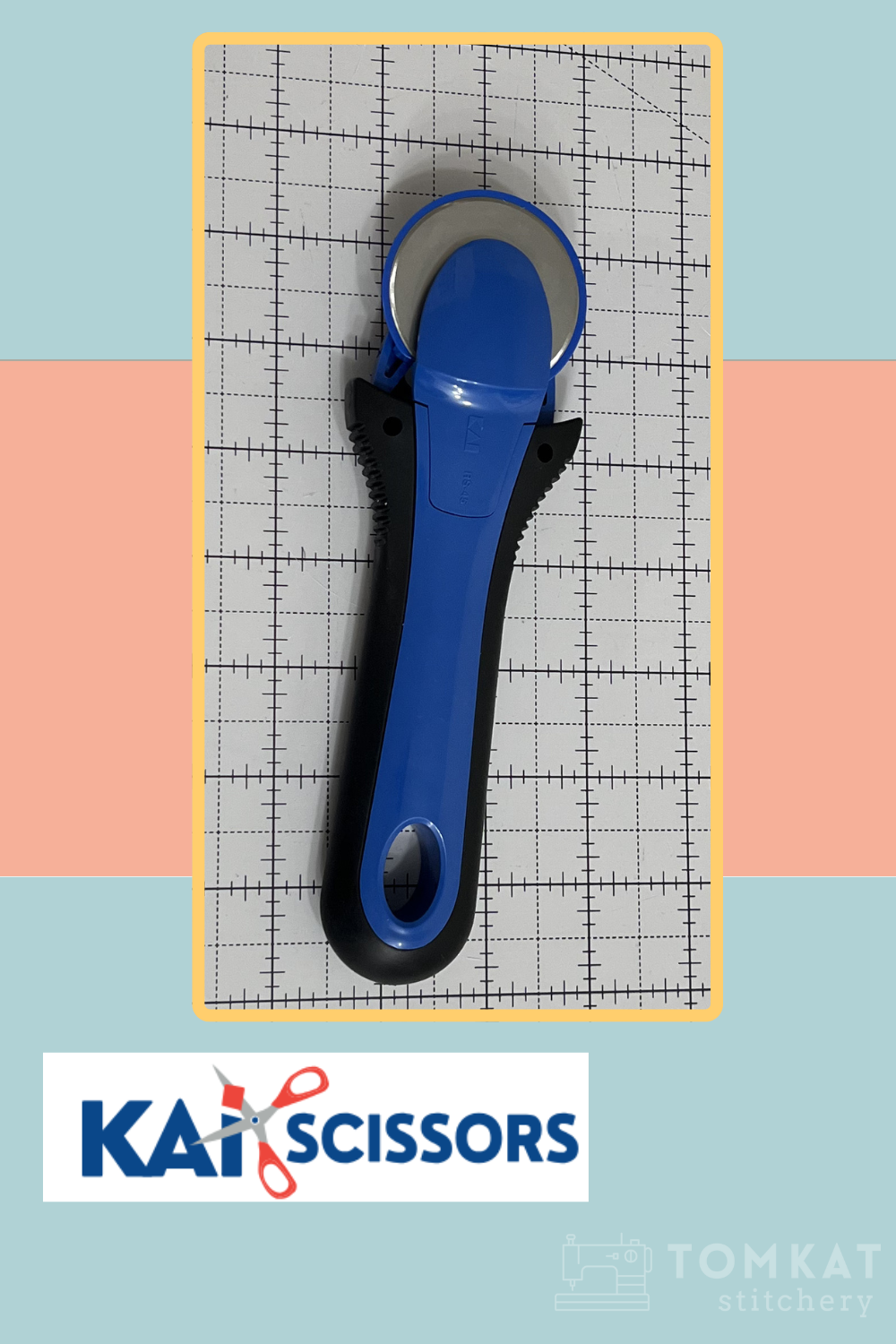
My favorite size is a 45mm blade, which works well for most garment sewing projects.
Smaller blades can be useful for tight curves, while larger blades are better for heavy materials or quilting.
Specialty Sewing Scissors Worth Adding
Once you’ve built your basic toolkit, there are a few specialty scissors that can make sewing even easier.
These aren’t essential—but they’re very helpful.
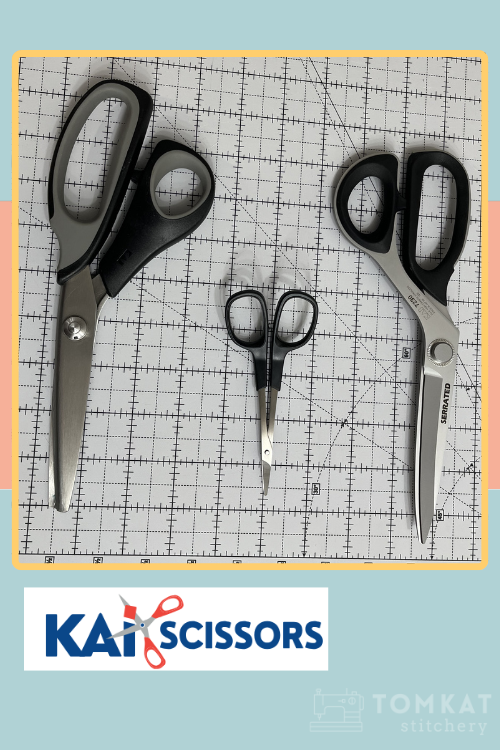
Pinking Shears
Pinking shears create a zigzag edge on fabric.
Historically, before sergers were common, pinking shears were often used to finish seam allowances—even in couture garments.
They’re helpful for:
- Preventing fabric fraying
- Finishing seam allowances
- Clipping curves quickly
When you pink a curved seam allowance, the zigzag edge effectively creates tiny notches that help the curve lay flat.
Duckbill (Appliqué) Scissors
Duckbill scissors have a unique shape that helps protect fabric while trimming.
They’re ideal for:
- Grading seam allowances
- Appliqué work
- Embroidery
- Reducing bulk inside seams
When grading seams, these scissors allow you to trim one layer without accidentally cutting the other.
Micro-Serrated Fabric Shears
If you sew with slippery fabrics like:
- Silk
- Satin
- Rayon
- Formalwear fabrics
micro-serrated scissors are incredibly helpful.
Unlike standard blades, the micro-serrations gently grip the fabric instead of pushing it away while cutting.
I used these constantly when I worked in a bridal workroom because they make cutting delicate fabrics dramatically easier.
Building Your Sewing Tool Collection
If you're new to sewing, start with the basics:
- Fabric shears
- Precision scissors
- Thread snips
- Rotary cutter (optional but recommended)
As you gain experience, you can add specialty scissors that fit the types of projects you enjoy most.
The right tools won’t magically make you a better sewist—but they absolutely make the process smoother and more enjoyable.
Helpful Resources
You can also visit the TomKat Stitchery resources page for a list of my favorite tools, supplies, and sewing products—including discount codes and recommendations.
And if you're ready to upgrade your scissors, don't forget the KAI coupon code: TKS15 for 15% off*.
Final Thoughts
Cutting tools are one of the most important investments in your sewing space. When your scissors are sharp, comfortable, and suited to the job, everything from cutting fabric to finishing seams becomes easier.
If you're building your sewing toolkit or upgrading older tools, these are the scissors I use most often in my own workroom—and they’ve served me well across years of garment sewing.
Happy sewing!
*Affiliate links included—thank you for supporting my work! No extra cost to you, but I may earn a commission. Offers may change.